When Working Code Breaks Teams: The Hidden Cost of Ignoring Maintainability in Python
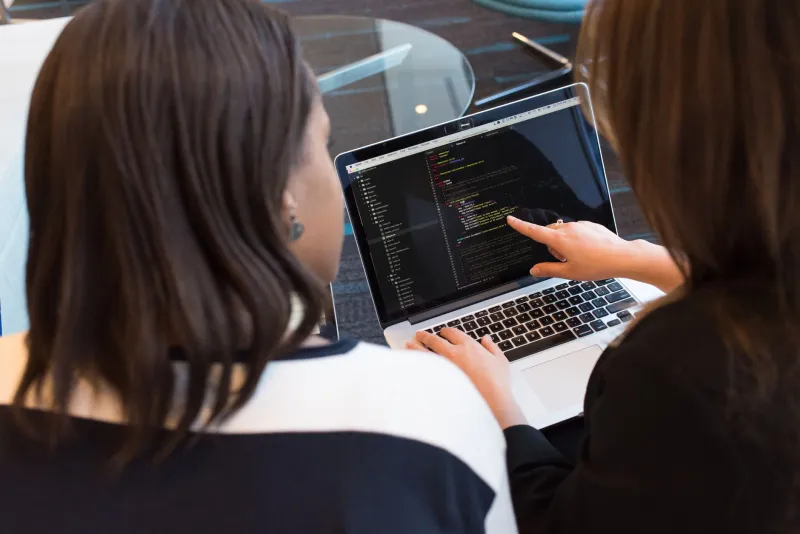
There's a particular kind of pride that comes with shipping code that works. The tests pass, the deployment goes smooth, and the feature lands on time. You close your laptop on a Friday feeling like you've earned the weekend.
Then Monday rolls around, a teammate tries to extend your feature, and suddenly nobody can figure out what process_data_v3_final_REAL.py is actually supposed to do.
This is the quiet crisis that lives inside a lot of Python projects — not broken code, but brittle code. Code that functions but quietly erodes the confidence, velocity, and sanity of every developer who has to touch it afterward.
The Myth of "It Works, Ship It"
Functional code and maintainable code are not the same thing, and conflating the two is one of the most expensive mistakes a development team can make.
In the early days of a project, moving fast feels like the smart play. You're validating ideas, hitting deadlines, and proving out a concept. Python's flexibility makes this especially tempting — the language practically invites you to just get it done. And for a while, that works great.
But software doesn't exist in a vacuum. Features get extended. Teams grow. The developer who wrote the original logic leaves for another job in Austin. Six months later, someone else is staring at a 400-line function with no docstrings and a variable named x2 trying to figure out why the billing module is miscalculating totals for enterprise accounts.
At that point, "it works" is cold comfort.
What Technical Debt Actually Looks Like in Python
Technical debt gets thrown around so often it's almost lost its meaning. So let's get specific about what it looks like inside a real Python codebase.
God objects and monolithic modules. A single class that handles authentication, sends emails, writes to the database, and also formats PDF reports is a classic warning sign. Python's lack of enforced structure means this kind of sprawl happens organically — and it becomes a nightmare to test, refactor, or hand off.
Inconsistent naming conventions. When half your codebase uses camelCase and the other half uses snake_case, it's not just an aesthetic problem. It signals a lack of shared standards, which usually means a lack of shared ownership — and that's where miscommunication starts.
Magic values buried in logic. Hardcoded strings, mystery numbers, and inline configuration scattered across files make your code impossible to update confidently. Change one value and you're never quite sure what else you've broken.
Missing or outdated documentation. This one's brutal because it's invisible until it isn't. A function with no docstring isn't a problem until a new hire spends three hours reverse-engineering what it does — time that should have been spent building.
The Organizational Friction Nobody Talks About
Here's the part that gets skipped in most technical debt conversations: the human cost.
When codebases become hard to navigate, developers stop feeling confident. They start making smaller, safer changes instead of meaningful improvements. They write defensive code instead of expressive code. They dread touching certain files, which means those files never get cleaned up, which means the problem compounds.
This is sometimes called "code fear" — and it's surprisingly common on teams that are otherwise talented and well-intentioned. It's not a skills problem. It's a structural one.
Onboarding new developers becomes a multi-week ordeal. Code reviews turn into archaeology expeditions. Sprint velocity drops not because the work is harder, but because the cognitive overhead of just understanding the existing system eats into every task.
And then there's the blame cycle. When something breaks in an undocumented, tangled system, it's nearly impossible to pinpoint the root cause. That ambiguity breeds frustration, and frustration breeds a culture where nobody wants to own the messy parts of the codebase.
A Practical Framework for Turning This Around
The good news: this isn't a death sentence for your project. Most teams can pull out of this spiral with some intentional changes to how they write and review Python code.
Start with a documentation sprint. Pick the five most-touched modules in your codebase and write proper docstrings for every public function. Use Python's built-in conventions — Google style, NumPy style, or reStructuredText — and stick to one. This alone can dramatically reduce onboarding friction.
Establish a module responsibility rule. Every Python file should have one clear job. If you can't describe what a module does in a single sentence, it's doing too much. Break it apart. This isn't about being precious — it's about making your system legible.
Use type hints consistently. Python's type annotation system isn't just for static analysis tools like mypy. It's documentation that lives inside the code itself. When a function signature tells you exactly what it expects and what it returns, you spend less time guessing and more time building.
Make code review about readability, not just correctness. A PR that works but adds three more mystery functions to an already confusing module is still a problem. Teams that build readability into their review process catch maintainability issues before they become legacy debt.
Schedule regular refactoring time. This one requires buy-in from leadership, but it's worth the conversation. Treating refactoring as a real deliverable — not something squeezed in between features — signals that code quality is a team value, not just a developer preference.
Building Code Worth Inheriting
There's a phrase that floats around software circles: "always code as if the person maintaining your code is a violent psychopath who knows where you live." It's dark humor, but the point lands. The person who reads your code next might be a teammate, a future hire, or honestly — yourself six months from now.
Writing Python that's beautiful to work with isn't about perfectionism. It's about respect — for your team's time, for the product you're building together, and for the craft itself. Functionality is the floor, not the ceiling.
The teams that build lasting, scalable Python systems aren't necessarily the ones who move the fastest. They're the ones who slow down just enough to make sure the next developer can hit the ground running.
That's the kind of code worth being proud of.