Pretty Code, Hidden Bugs: The Debugging Paradox Every Python Developer Needs to Know
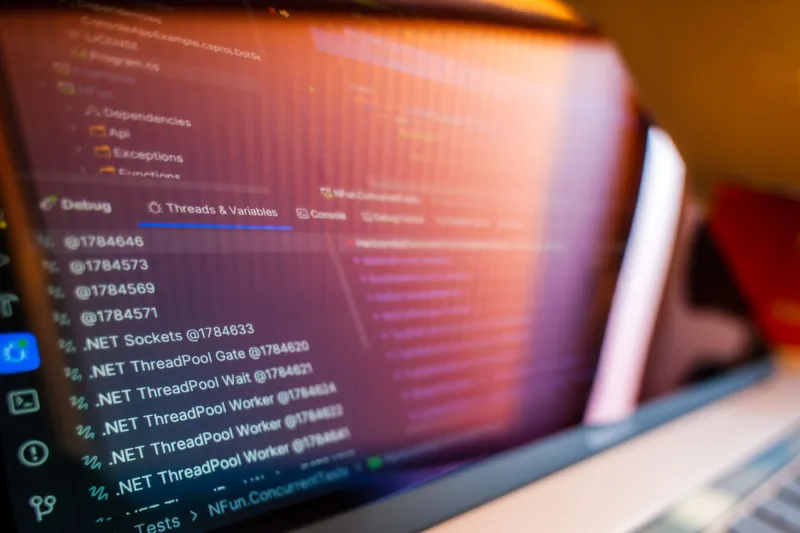
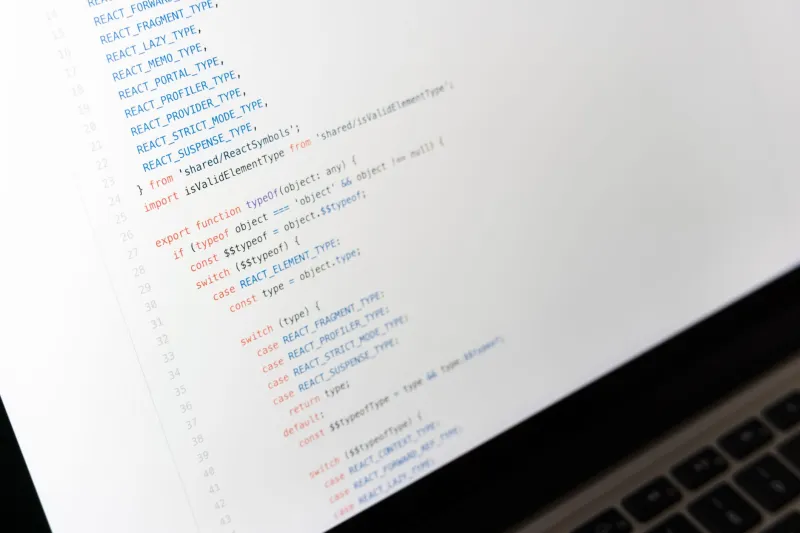
There's a certain satisfaction that comes from writing a tight, beautiful block of Python. Everything lines up. The abstractions feel right. You read it back and it almost sounds like English. You push it to the repo, and your teammates give it a silent nod of approval.
Then production breaks at 2 a.m.
Here's the thing nobody tells you in the tutorials: elegant code and debuggable code are not the same thing. Sometimes they're actually working against each other. And understanding that tension — really sitting with it — is what separates developers who write pretty code from developers who write reliable pretty code.
The Illusion of Correctness
Well-structured Python has a kind of visual authority. When code is clean, your brain reads it as correct. The indentation is consistent, the variable names are meaningful, the functions are short and focused. Everything looks like it's doing exactly what it's supposed to do.
That's exactly the problem.
Sloppy code, paradoxically, puts you on alert. When you see a 200-line function with nested conditionals and variable names like temp2 and flag_b, your guard goes up. You start reading skeptically. You trace the logic manually. You don't trust it — and that distrust is actually a debugging asset.
With elegant code, you trust it. And trust, in debugging, is a liability.
This isn't just psychology — it shows up in real-world debugging timelines. Developers often spend longer tracking bugs in clean codebases because they keep skimming past the actual problem, convinced that something that looks right must be right.
Abstraction: The Double-Edged Sword
One of the hallmarks of beautiful Python is smart abstraction. You extract repeated logic into helper functions. You build a small utility module. You use list comprehensions instead of verbose loops. The result is fewer lines, more reuse, and a codebase that reads like it was designed instead of assembled.
But here's where debugging gets tricky: every layer of abstraction is another place for a bug to hide.
Consider a simple example. You've got a data pipeline that pulls records, transforms them, and writes results to a database. You've abstracted each step cleanly into its own function. It's genuinely nice code. Now imagine a subtle off-by-one error in your transformation logic — something that only surfaces when a record has a null field in a specific position.
In messy code, that transformation logic is probably sitting right there in the main function, exposed and ugly. You'd trip over it.
In your elegant version, it's nested two function calls deep, wrapped in a list comprehension, and named something sensible like normalize_record(). You read the top-level code, it makes sense, you move on. The bug is hiding behind a clean API.
When Readability Becomes a Red Herring
Python's readability is one of its most celebrated features — and rightly so. But readability is about communicating intent, not guaranteeing correctness. A function named calculate_discount() tells you what it's supposed to do. It says nothing about whether it does it right.
This is a subtle but important distinction. When you're debugging, you're not looking for intent. You're looking for where reality diverged from intent. And in highly readable code, those two things can be so closely aligned visually that the divergence becomes nearly invisible.
Some of the most maddening bugs live in code that reads perfectly. A True where a False belongs. A >= that should be a >. A variable that's been shadowed in a comprehension scope. None of these things look wrong. They look like everything else.
Designing for Debuggability Without Sacrificing Beauty
So what's the move here? Do you intentionally write worse code? Obviously not. The goal is to build systems that are both readable and transparent — code that communicates intent while also making failures loud and visible.
Here are a few practical ways to do that:
Use assertions strategically. Python's assert statement is underused in application code. Dropping assertions at key points — especially at the inputs and outputs of abstracted functions — forces failures to surface immediately rather than silently propagating. Think of them as your code's immune system.
Log at abstraction boundaries. When you abstract logic into helper functions, add lightweight logging at the entry and exit points. Not verbose logging — just enough to confirm that data entering a function looks the way you expect, and that what comes out is sane. This turns your clean abstractions into traceable checkpoints.
Write tests that break loudly. Beautiful code often comes with beautiful test suites — but tests that pass silently on edge cases are a false comfort. Make sure your tests cover the weird inputs, the null values, the empty lists. The bugs that hide in elegant code are almost always edge cases that the happy-path tests never touch.
Resist over-chaining. Python lets you chain methods and nest comprehensions in ways that are genuinely impressive to look at. Resist the urge to show off. A single-line data transformation that chains five methods is a debugging nightmare when one of those methods returns something unexpected. Break it up. Intermediate variables are not a sign of weakness — they're a sign of experience.
Name things with suspicion in mind. When you name a function or variable, ask yourself: if this is wrong, will the name make that obvious? get_user() is readable. get_active_verified_user_or_none() is more debuggable. Verbosity has a cost, but so does ambiguity.
The Mindset Shift
The deeper lesson here isn't really about Python syntax or debugging tools. It's about how you relate to your own code.
Beautiful code can become a kind of ego investment. You wrote it, it looks great, and some part of you doesn't want it to be wrong. That emotional attachment is a debugging handicap. The best developers hold their code loosely — they admire the structure while staying genuinely suspicious of the logic.
Think of it like a well-designed building. The architecture can be stunning and the blueprint can be flawless, but you still need to inspect the plumbing. The beauty of the design doesn't guarantee the pipes are connected right.
At Design Pythons, we talk a lot about writing code that's worth being proud of. But pride in your code should come from how it behaves, not just how it looks. The real flex isn't a codebase that impresses people on a code review — it's a codebase that tells you exactly what went wrong at 2 a.m. so you can fix it and go back to sleep.
Write beautifully. But write with your debugger in mind.